Researchers from the University’s Biodiversity Center of the Center for Research and Engagement (CRE) and the Bureau of Fisheries and Aquatic Resources (BFAR) have reported the sighting of a newborn Irrawaddy dolphin (Orcaella brevirostris) calf in the Guimaras Strait. The calf was first observed on September 2, 2026, during one of the teams’ regular monitoring surveys and has continued to be sighted alongside other dolphins in the area.
Based on its exceptionally small size and observed behavior, researchers believe the calf may have been born on the day it was first sighted. “It was very small, about the size of our camera lens,” remarked Zach Chiu, one of the student researchers from USLS. Chiu also recalled observing the calf being pushed and supported toward the water’s surface by one or two adult dolphins.
“Mother dolphins typically help their newborn calves reach the surface so they can take their first breath,” explained Angelico Tiongson, one of the lead researchers from USLS.
“Occasionally, other adults may also assist in supporting the calf. This highlights the importance of social interactions among dolphins and the potential role of group members in the survival of newborns,” Tiongson added.
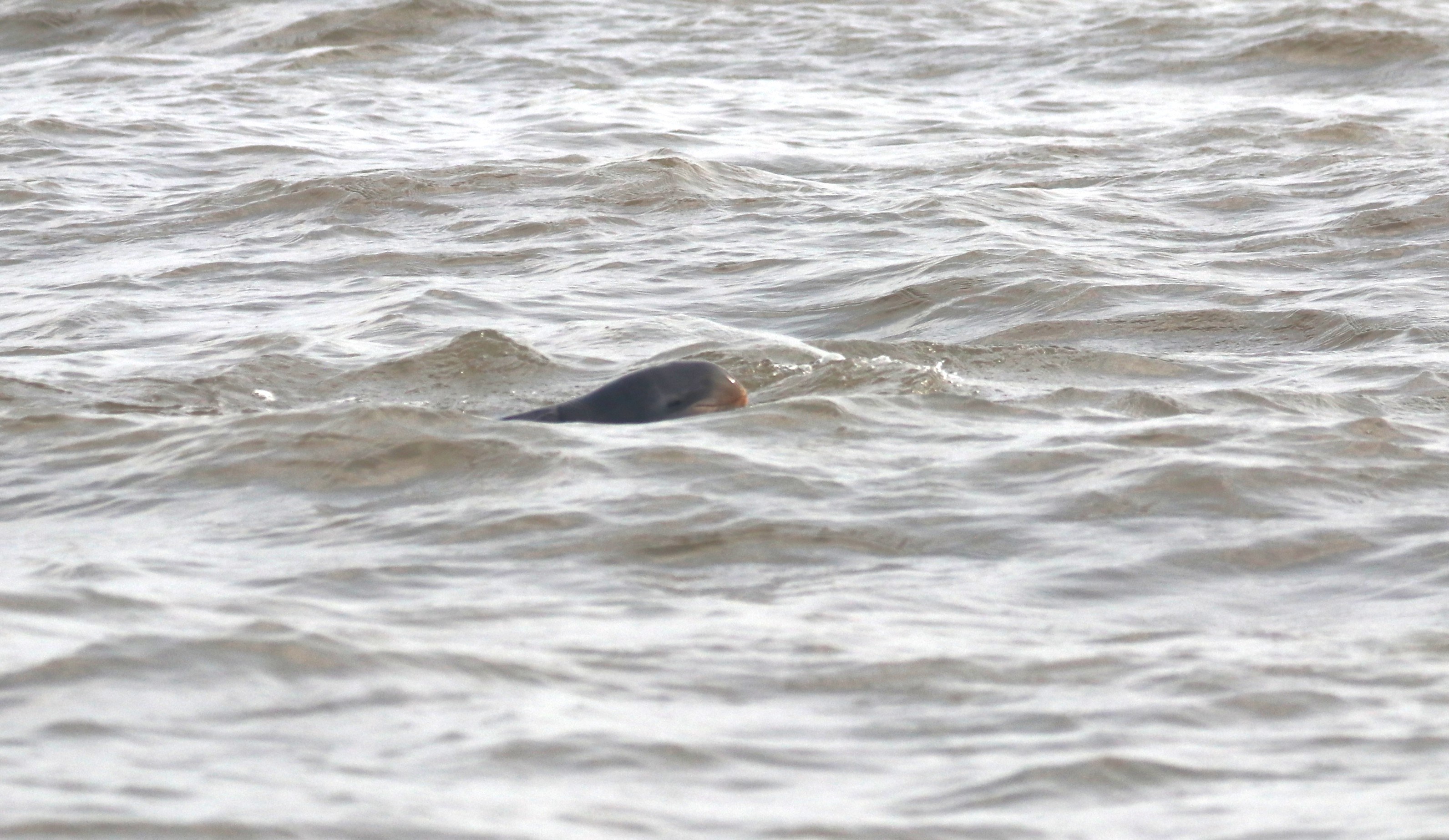
The sighting offers an encouraging development for the Irrawaddy dolphin subpopulation inhabiting the Guimaras and Iloilo Straits, which is estimated to number fewer than 18 individuals, according to a population estimate conducted by USLS from 2018–2019. The subpopulation is classified as Critically Endangered, reflecting its extremely high risk of extinction. With so few individuals remaining, the survival of every calf is particularly important to the population’s future. Researchers from USLS, in collaboration with BFAR personnel from Regions 6 and the Negros Island Region, continue to conduct regular monitoring surveys in the Guimaras and Iloilo Straits. These surveys help document dolphin sightings, monitor the subpopulation, and gather information essential to developing and strengthening conservation measures.
The Philippines is also home to three other known Irrawaddy dolphin subpopulations: Malampaya Sound in northern Palawan, the waters off southern Palawan near Quezon, and San Miguel Bay in the Bicol Region. Across their range in the Philippines, Irrawaddy dolphins face numerous threats, including entanglement in fishing gear, competition and spatial overlap with fishing activities, vessel traffic, pollution, and habitat degradation.
BFAR and its partners continue to strengthen efforts to conserve the species and protect its remaining habitats, including the creation of a National Irrawaddy Dolphin Recovery Plan, a long-term initiative that will strengthen research, policy and mitigation measures involving stakeholders from various sectors. The continued monitoring of the Guimaras Strait calf will be particularly important in determining its survival and development in the coming months.
While the birth of a single calf cannot reverse the threats facing this small subpopulation, its continued presence offers a hopeful reminder of the importance of sustained research, collaboration, and conservation action to prevent the local extinction of Irrawaddy dolphins in the
Guimaras and Iloilo Straits.